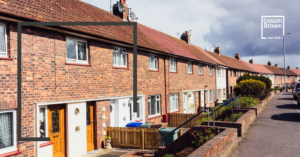


People agonise over the house and take the street on trust. But knowing how to judge a neighbourhood before you commit can be just as important as deciding whether the property itself is right for you.
It is understandable. The house is what you look at, photograph, measure and lie awake thinking about. The street is just the thing around it, and it usually gets about ten minutes of attention on a sunny Saturday afternoon.
Then you move in and discover that the pleasant road you viewed at eleven on a Saturday is a busy cut-through at half past eight on a Wednesday.
You can change almost everything about a house. You cannot change the street it sits on. So, before buying or renting a property, it is worth giving the local area more than one visit and rather more than ten minutes.
What can you check before you even leave the house?
A surprising amount. Most of it is free to research, and all of it is worth doing before you fall in love with a property.
Broadband and mobile signal
Check the actual address rather than relying on information for the wider postcode area, as coverage can vary significantly. If anyone in the household works from home, this is certainly not a minor detail.
Flood risk
The Government provides a long-term flood risk service for properties in England. It is worth checking even if the house is nowhere near a river, as surface water flooding can affect areas you might not expect.
Planning applications
Your local council’s planning portal will show you what has been applied for nearby. That could include the empty plot opposite, the pub down the road or the field at the end of the street.
This is one of the most easily overlooked checks when researching an area before buying a house, and potentially one of the most important.
Crime data
Street-level crime data can help you understand the local area. Look for patterns rather than individual incidents and compare the figures with similar neighbourhoods to give them some context.
Parking
Check whether the street has permit restrictions, how busy it becomes in the evening and whether the property really offers the parking arrangements suggested by the listing.
What can only be checked in person?
Some of the best ways to judge a neighbourhood involve getting away from the screen.
These are the things that do not necessarily appear on property listings or online searches, but can make a considerable difference to how much you enjoy living somewhere.
Go back at a different time
If you viewed on a weekend morning, return on a weekday evening. If you viewed in the evening, go back at eight in the morning. The difference can tell you a great deal about traffic, parking, noise and the general atmosphere.
Drive or walk your commute in real time
Do not rely solely on the journey time shown on a map. Make the actual journey on a weekday at the time you would normally be travelling.
Stand still outside for five minutes and listen
Traffic, school bells, trains, aircraft, extraction fans from a takeaway or a particularly enthusiastic neighbourhood dog can all change how a street feels.
Five minutes of standing still and listening can sometimes tell you more than an hour spent walking around.
Walk to the things you say you want
If being close to a shop, station, school or park is one of the reasons you like the property, actually walk there. Ideally, do it while carrying something. A journey that looks easy on a map may feel rather different with shopping bags in hand.
Look at the small details
Bins, hedges, streetlights, gardens and the condition of verges can all give you an indication of how a street is cared for.
It is not about judging the people who live there. It is about gathering information about the place you may soon call home.
Should you talk to the neighbours?
If you get the chance, yes. Most people are surprisingly happy to be asked.
You do not need to interrogate anybody. A simple, “We’re thinking of moving in a few doors down. What’s it like living here?” is enough.
People may tell you about parking, traffic, noise, neighbours and bin collections without much prompting. They can also tell you things that will never appear in a survey or property listing.
There is one important caveat. You are hearing one household’s experience, and there are usually two sides to every street story. Treat it as useful information rather than a definitive verdict.
What is different if you are renting rather than buying?
The financial commitment may be different, but your day-to-day experience of the neighbourhood will be much the same. That means most of the same checks still apply.
A few things deserve particular attention when renting. Look carefully at how the property is heated and how well it retains warmth, as you will be paying the energy bills. Ask for any parking arrangements to be confirmed in writing rather than relying on the listing. Make sure you understand what is included, what is not and who you need to contact if something goes wrong.
And visit in daylight.
It sounds obvious, but plenty of rental viewings take place after work during the darker months, leaving people to make decisions about an area they have barely seen.
What about schools if they are driving your move?
Check the current admissions position rather than relying on a school’s reputation, and check the specific year group you need. A highly regarded school with no available places may not help your move.
You should also avoid assuming that living nearby guarantees admission. Catchment areas can change from year to year depending on applications and available places, so what happened for a family on the same road last year is not necessarily a guarantee.
Your local council’s admissions team should be able to provide information about the current situation.
Is there such a thing as too much checking?
Yes.
No street is perfect. Every neighbourhood has something, and at some point research can become a way of avoiding a decision altogether.
The aim is not to find a flawless location. It is to make sure that, when you move in, nothing significant about the area comes as a surprise.
Knowing there is a school bell at half past three is very different from discovering it after you have unpacked the boxes.
Looking at an area you do not know well?
Ask us.
Whether you are buying or renting, we would far rather spend twenty minutes giving you an honest picture of what a road and its surrounding area are like than see you move somewhere that is not right for you.
Knowing how to judge a neighbourhood takes research, but genuine local knowledge can tell you the things that online searches cannot. And that local knowledge is a big part of what we actually do.
Frequently asked questions
What should you check about an area before buying a house?
Check broadband and mobile signal at the exact address, flood risk, nearby planning applications, street-level crime data and parking. You should also visit at different times of day and test your actual commute.
How do I find out about planning applications near a property?
Search your local council’s planning portal using the address or postcode. This should show recent and pending planning applications nearby and help you understand whether changes are proposed for the surrounding area.
Should I visit a property more than once?
Yes, and ideally at a different time and on a different day. A street that is quiet on a Saturday morning can feel very different during the weekday rush hour.
Do the same checks apply when renting?
Yes. You experience the neighbourhood in much the same way whether you own or rent. When renting, also pay particular attention to heating, energy efficiency and parking arrangements, and try to view the property in daylight.
Does living near a good school guarantee a place?
No. Admissions criteria and catchment areas can change, and availability will depend on factors including applications and the year group you need. Check the current position with your local council.
If you know someone who would find this useful, please share it with them.
About the Ethical Agent Network
The Ethical Agent Network (EAN) is a national group of independent agents held to strict, independently assessed standards for honesty, service and community.
It is not a badge you buy. It is one you earn, and have to keep earning.
We are proud members, and the logo is there so you can identify an agent that has already been vetted to look after you properly. If you would like to know more about the Ethical Agent Network, please get in touch or visit its website.
Book a Valuation
Visit our Royston Facebook Page
Visit our Newmarket Facebook Page
View our Ware Facebook Page