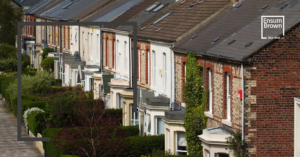


Every winter, the same conversation starts in thousands of rented homes across the UK. The heating is on, the energy bills are climbing, and the house still feels freezing. But when it comes to cold rentals, what can tenants reasonably expect their landlords to do?
Understanding your rights as a tenant, and the responsibilities of a landlord, can make all the difference when temperatures drop.
So, what does the law actually say about heating, insulation and keeping rented properties warm?
Does a landlord have to provide heating?
Yes. Landlords have a legal responsibility to ensure that heating installations are maintained and kept in proper working order.
Under Section 11 of the Landlord and Tenant Act 1985, landlords must maintain the installations used for heating rooms and providing hot water. This includes boilers, radiators and associated pipework.
These responsibilities cannot simply be removed through a tenancy agreement.
However, the law does not specify a single minimum temperature that every rented home must achieve. This is where things become a little more complicated.
Is there a legal standard for cold rentals?
Yes, although it is based on health and safety rather than a specific thermostat reading.
The Housing Health and Safety Rating System (HHSRS) allows local councils to assess potential hazards in residential properties, including excessive cold.
Changes introduced through the Housing Health and Safety Rating System (England) (Amendment) Regulations 2026 came into force on 23 June 2026, updating how housing hazards are assessed.
If a property is considered dangerously cold, the council can investigate and, where appropriate, require the landlord to make improvements.
The important distinction is that a home does not necessarily need a broken boiler to present a health risk. Poor insulation, draughts and inadequate heating can all contribute to unsafe living conditions.
Does Awaab’s Law protect private tenants?
Not currently, although changes are being considered.
Awaab’s Law was introduced for social housing in October 2025, establishing strict timescales for landlords to investigate and address certain housing hazards.
The Renters’ Rights Act 2025 provides for these protections to be extended to private rented properties.
In October 2026, the Government launched a consultation on how Awaab’s Law should apply to private landlords. However, the additional requirements have not yet come into force for private tenancies.
For now, private tenants experiencing serious heating problems should rely on existing repair obligations and, where necessary, contact their local council.
What should tenants do if their rented home is too cold?
If your heating is not working properly or your home is consistently cold, the first step is to report the problem to your landlord or letting agent.
A clear written record can help prevent misunderstandings and ensure that any necessary repairs are addressed.
Here are five practical steps to follow:
1. Report the problem in writing
Even if you have already spoken to your landlord, follow up with an email explaining the issue. This creates a record of when the problem was first reported.
2. Explain how the cold is affecting your home
Be specific about which rooms are affected, how low the temperature gets and whether the problem is particularly bad at certain times.
3. Allow access for repairs
Landlords and contractors need reasonable access to inspect and repair heating systems. Cooperating with appointments helps avoid unnecessary delays.
4. Keep evidence
Record dates, temperatures, correspondence and any attempted repairs. Photographs of thermometer readings can also be useful.
5. Contact your local council if necessary
If your landlord fails to address a serious problem, contact your council’s private sector housing team. They may arrange an inspection under the HHSRS.
Importantly, tenants should not simply stop paying rent because repairs have not been completed. Withholding rent can create arrears and additional legal complications. Seek independent advice before considering any deductions.
How quickly must a landlord fix broken heating?
There is no universal legal deadline for every heating repair in a privately rented property.
Instead, landlords are expected to complete repairs within a reasonable timeframe, taking into account the seriousness of the problem.
A complete loss of heating during freezing weather is clearly more urgent than a minor radiator fault.
For landlords, communication is just as important as arranging the repair itself.
If an engineer cannot attend immediately, explaining the situation, confirming an appointment and considering suitable temporary heating can help reassure tenants.
Keeping written records of reported faults, contractor visits and completed repairs also protects both parties.
What if the heating works but the property is still freezing?
Sometimes the heating system is working perfectly well, but the property struggles to retain warmth.
This is particularly common in older homes where insulation and energy efficiency may not meet modern expectations.
Potential causes include:
- Single-glazed windows
- Poor loft insulation
- Uninsulated walls
- Draughty doors and windows
- Gaps around flooring or external fittings
These issues do not automatically mean a landlord has failed to meet their legal responsibilities. However, if they create an excessive cold hazard, further action may be required.
Improving insulation and energy efficiency can make a significant difference to comfort and running costs.
For landlords, investing in improvements may also help attract tenants, reduce maintenance issues and encourage longer tenancies.
Who is responsible for damp and mould in rented properties?
Cold homes and damp problems often go hand in hand.
When warm, moist air meets cold surfaces, condensation can form. Over time, this can contribute to mould growth, particularly around windows, external walls and poorly ventilated rooms.
However, responsibility for damp and mould depends on the underlying cause.
Landlords are responsible for addressing structural defects, inadequate ventilation and other property-related problems that fall within their legal obligations.
Tenants can help by using available ventilation, reporting problems promptly and taking reasonable steps to manage everyday moisture.
The important thing is to identify the cause rather than assume responsibility lies with one party.
Damp and mould can present genuine health risks, so persistent problems should always be taken seriously.
Frequently Asked Questions About Cold Rentals
Is there a legal minimum temperature for a rented home?
There is no single legally required minimum temperature for private rented homes in England.
However, landlords must maintain heating installations and ensure properties do not present unacceptable health and safety risks.
Local councils can investigate excessive cold under the Housing Health and Safety Rating System.
How quickly does a landlord have to fix a broken boiler?
Landlords must carry out repairs within a reasonable timeframe.
The urgency depends on the circumstances, including the weather, the extent of the heating failure and the potential risk to occupants.
A complete loss of heating during winter should be treated as an urgent issue.
Can tenants be evicted for complaining about the cold?
Tenants have legal protections when reporting genuine repair and safety concerns.
Following changes introduced under the Renters’ Rights Act 2025, Section 21 no-fault evictions were abolished for private assured tenancies in England from 1 May 2026, subject to transitional arrangements.
Landlords generally need a valid legal ground to seek possession.
Tenants should always report problems in writing and retain copies of correspondence.
Can a landlord refuse to improve insulation?
Landlords are not automatically required to install every possible energy efficiency improvement.
However, they must comply with applicable minimum energy efficiency requirements and address serious hazards identified under housing safety legislation.
Where poor insulation contributes to excessive cold, improvements may be necessary.
A warmer home starts with good communication
Cold rentals can be frustrating for tenants and landlords alike, particularly when heating problems arise during the coldest months.
For tenants, understanding your rights and reporting problems clearly is the best place to start.
For landlords, responding promptly, keeping accurate records and maintaining the property can prevent small issues from becoming bigger problems.
At Ensum Brown, we believe good property management starts with communication, transparency and taking people’s concerns seriously.
If you are a landlord looking for support with managing your rental property, or a tenant who needs advice, our lettings team would be happy to help.
Why we are proud to be an Ethical Agent
We are proud members of the Ethical Agent Network (EAN), a national group of independent estate agents committed to honesty, exceptional service and supporting their local communities.
Membership is earned through an independent assessment, reflecting a commitment to higher professional standards and accountability.
For us, being an Ethical Agent means putting people first, treating clients fairly and doing the right thing.
If you would like to learn more about the Ethical Agent Network or how we can help with your property needs, please get in touch.
Book a Valuation
Visit our Royston Facebook Page
Visit our Newmarket Facebook Page
View our Ware Facebook Page